In today's fast-paced world, technology continues to revolutionize every aspect of our lives, and the real estate industry is no exception. One of the most significant advancements in recent years is the emergence of smart home technology, which is reshaping the way we buy, sell, and live in homes.
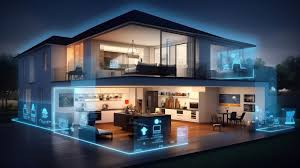
Gone are the days of traditional houses; today's homebuyers are increasingly seeking properties equipped with cutting-edge smart features that offer convenience, security, and energy efficiency. From thermostats that learn your preferred temperature settings to security cameras that provide remote monitoring, smart home devices are transforming ordinary houses into intelligent, interconnected spaces.
But what exactly is smart home technology, and how is it impacting the real estate market?
Smart home technology refers to a range of devices and systems that are connected to the internet and can be controlled remotely via smartphones, tablets, or voice commands. These devices can include smart thermostats, lighting systems, door locks, security cameras, appliances, and more.
One of the most significant benefits of smart home technology is its ability to enhance convenience and efficiency for homeowners. Imagine being able to adjust your thermostat, turn off lights, and lock doors—all with the touch of a button on your smartphone, whether you're at home or halfway around the world. Smart home devices not only make everyday tasks more manageable but also help homeowners save time and energy.
Furthermore, smart home technology is becoming increasingly attractive to homebuyers, especially millennials and younger generations who have grown up in a digital world. Properties equipped with smart features often command higher prices and sell faster than their traditional counterparts. In fact, according to a survey conducted by Coldwell Banker, 81% of homebuyers would be more inclined to buy a home if it had smart home technology already installed.
Beyond convenience, smart home technology also offers enhanced security features, providing homeowners with peace of mind knowing that their property is protected around the clock. From video doorbells that allow you to see who's at your doorstep to motion-activated security cameras that alert you to potential intruders, smart home devices help deter crime and keep homeowners and their families safe.
Additionally, smart home technology can contribute to energy savings and sustainability efforts by allowing homeowners to monitor and control their energy usage more efficiently. Smart thermostats, for example, can learn your heating and cooling preferences over time and adjust accordingly, resulting in lower utility bills and reduced carbon emissions.
As smart home technology continues to evolve and become more accessible, it's clear that it will play an increasingly significant role in the real estate industry. Homebuyers are no longer just looking for a place to live—they're seeking a lifestyle that embraces the latest technological innovations. Whether you're buying, selling, or investing in real estate, staying informed about smart home trends and integrating these features into your properties can help you stay ahead of the curve in today's competitive market.